Concrete Moisture Evaluation
Assess vapor transmission, slab history, drainage, hydrostatic concerns, and coating-system limitations.
Discuss this detail →Specialized residential service
Plan a residential epoxy floor around concrete condition, moisture-vapor transmission, cracks, surface profile, contaminants, coating chemistry, color flakes, slip resistance, cure conditions, UV exposure, edges, and maintenance.
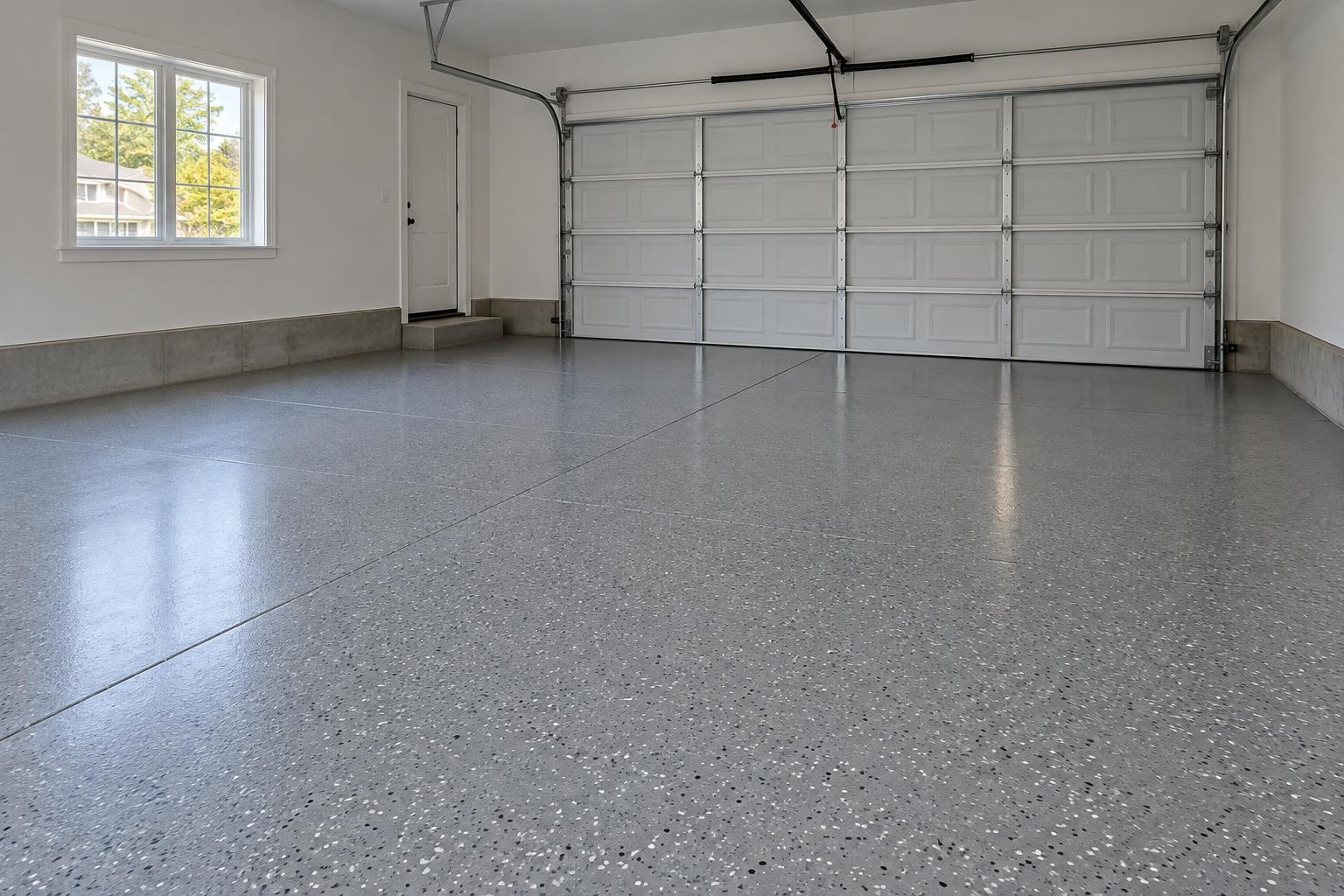
Designed around the property
A coating is only as reliable as the concrete and preparation beneath it. Moisture testing, mechanical profiling, repairs, compatible layers, and cure conditions are central to adhesion and durability.
Plan a residential epoxy floor around concrete condition, moisture-vapor transmission, cracks, surface profile, contaminants, coating chemistry, color flakes, slip resistance, cure conditions, UV exposure, edges, and maintenance.
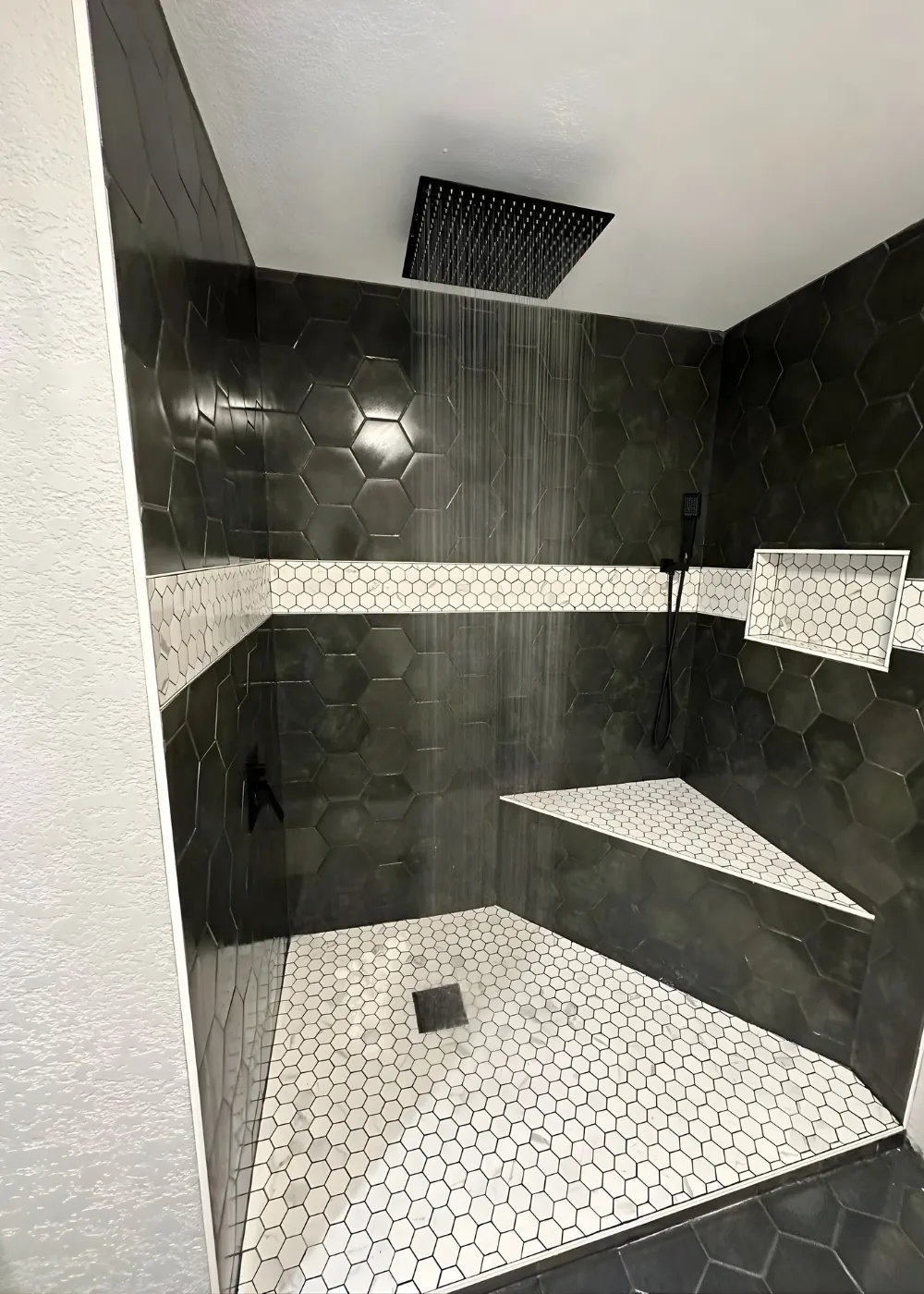
Understand the property, constraints, and connected systems.
Align layout, materials, details, and installation requirements.
Carry the plan through construction and walkthrough.
Service details and entities
Assess vapor transmission, slab history, drainage, hydrostatic concerns, and coating-system limitations.
Discuss this detail →Create the required concrete surface profile and remove laitance, weak coatings, sealers, oil, and contamination.
Discuss this detail →Distinguish static cracks, moving joints, control joints, spalls, and repairs without promising movement will disappear.
Discuss this detail →Coordinate primer, solids content, thickness, working time, recoat windows, temperature, and manufacturer systems.
Discuss this detail →Select broadcast density, color blend, edge details, scraping, topcoat clarity, texture, and cleanability.
Discuss this detail →Balance aggregate, traction, cleaning, gloss, chemical exposure, abrasion, and ultraviolet stability.
Discuss this detail →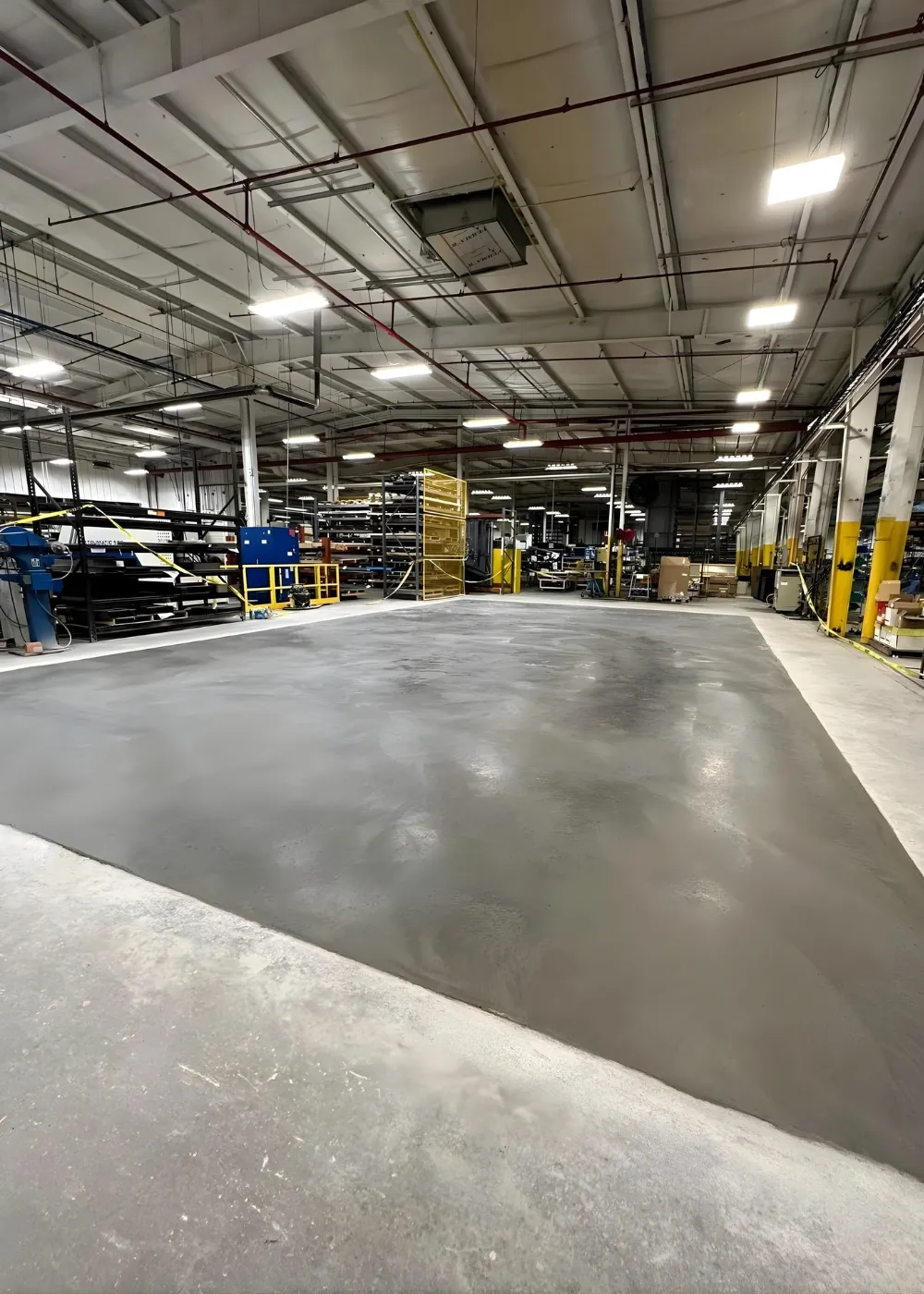
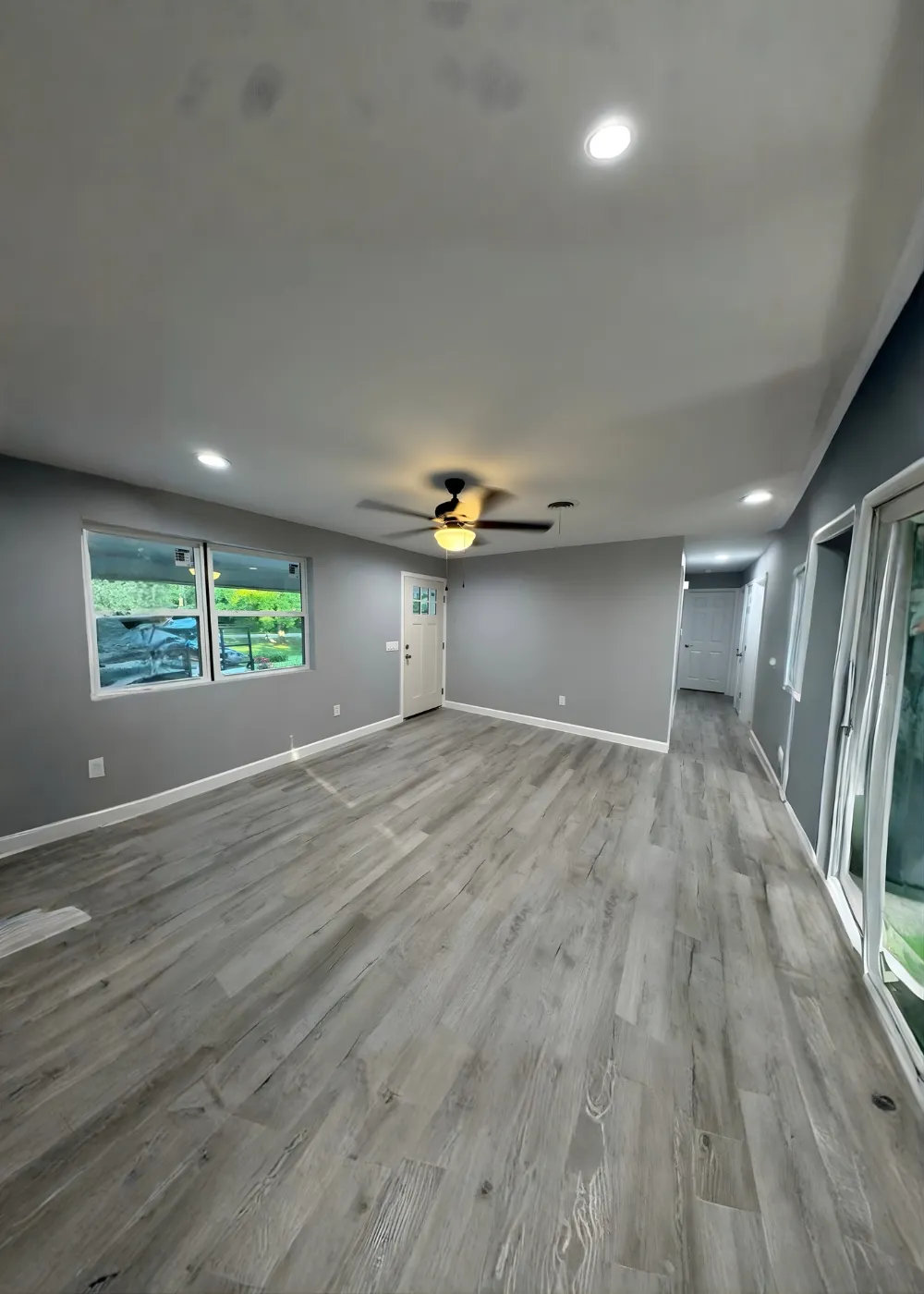
About our approach
A coating is only as reliable as the concrete and preparation beneath it. Moisture testing, mechanical profiling, repairs, compatible layers, and cure conditions are central to adhesion and durability.
Our team considers visible finishes alongside the preparation, structure, utilities, access, transitions, and sequencing that support the completed result.
A coordinated path
Each stage resolves important decisions before installation or construction advances.
Discuss the property, existing conditions, goals, priorities, and fit for epoxy flooring.
Coordinate dimensions, materials, dependencies, access, approvals, and construction requirements.
Complete preparation, installation, related trade work, and finish details in the planned sequence.
Review the completed work, visible details, operation, and relevant care considerations.
Technical considerations
Strength, porosity, cracks, moisture, repairs, contamination, and previous coatings determine preparation.
Temperature, humidity, sun exposure, water, salts, oils, and chemicals affect system choice and curing.
Preparation, multiple coats, cure periods, vehicle return, and stored belongings affect project logistics.
High traction can be harder to clean, so safety and maintenance expectations must be balanced.
Compare the options
These products differ in build, cure speed, UV stability, working time, appearance, chemical resistance, and substrate requirements. The slab and environment—not the label alone—should guide selection.
Existing conditions, performance needs, maintenance, compatibility, and the desired result should guide the project direction.
Related project evidence
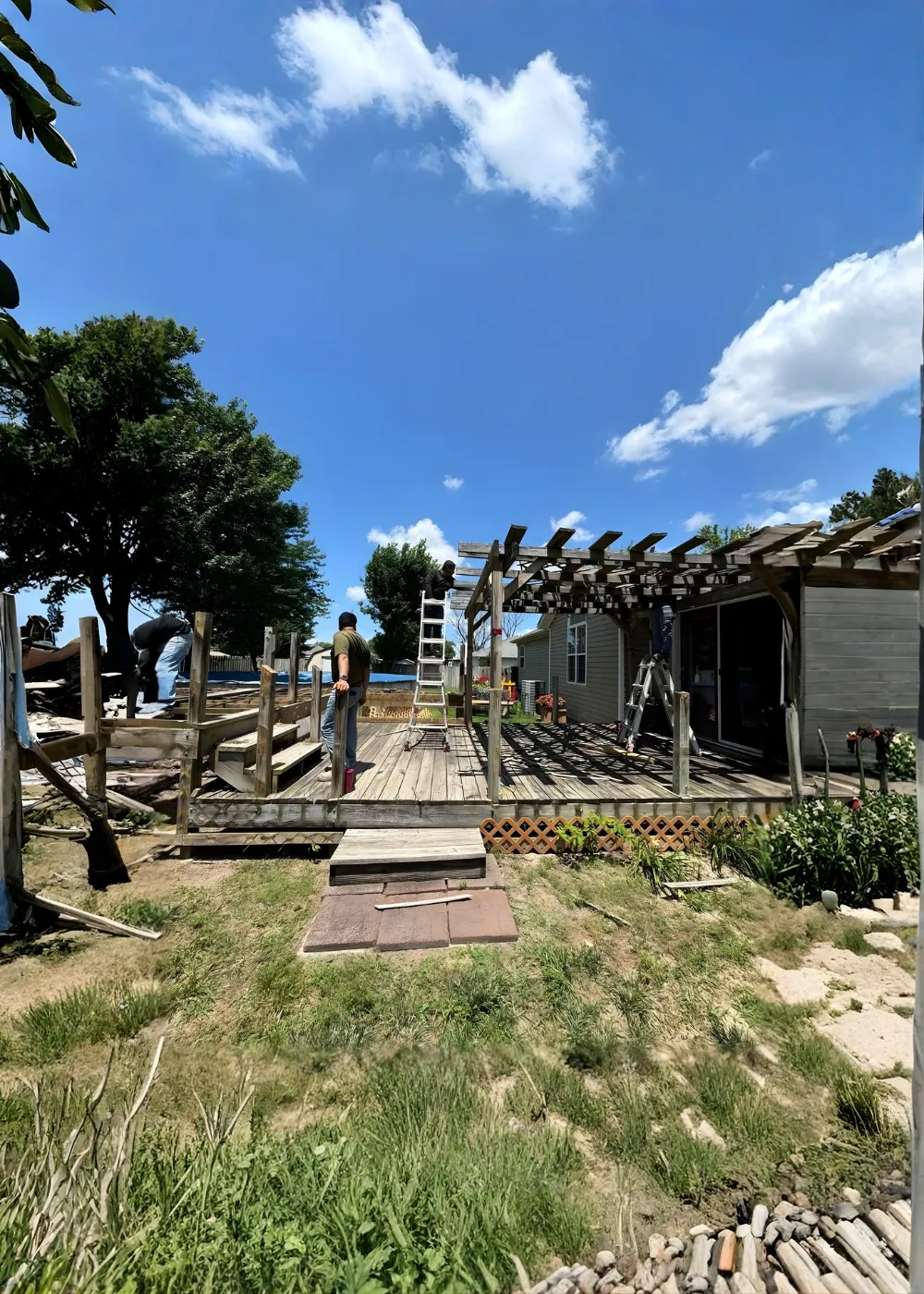
Review documented AM Construction work to see how existing conditions, construction stages, materials, and completed spaces connect.
Service area
AM Construction serves homeowners within approximately 50 miles of Neosho, Missouri, and Bentonville, Arkansas. Availability depends on the exact address, project scope, and schedule.
Common questions
Service-specific answers for planning the work with clearer expectations.
The scope may include concrete moisture evaluation, mechanical surface preparation, crack and joint treatment, epoxy base and build coats, plus related preparation and finish coordination. The final scope depends on the property and project goals.
Existing conditions, dimensions, access, connected systems, material requirements, intended use, and the project sequence should be reviewed before work starts.
Project size, existing conditions, access, labor, materials, approvals, trade coordination, finish level, and unforeseen conditions influence cost.
Timing depends on scope, preparation, product availability, approvals, access, related trades, selections, and site conditions.
Requirements vary by address and scope. Structural, electrical, plumbing, mechanical, or other regulated work may require permits and inspections.
Selections should reflect slab condition, environment, downtime, desired texture, manufacturer requirements, appearance, maintenance, and budget priorities.
Yes, when the project is a good fit. Coordinating connected work can improve sequencing and reduce conflicts between utilities, structure, surfaces, and finishes.
That depends on access, noise, dust, utility interruptions, safety, affected rooms, and the construction sequence. Household logistics should be discussed before work begins.
The condition and its effect on scope, timing, materials, and cost should be reviewed before related work continues.
Share the project address, photographs, current problems, desired result, preferred timing, inspiration, and information about prior work or known conditions.
AM Construction serves homeowners within approximately 50 miles of Neosho, Missouri, and Bentonville, Arkansas, subject to project fit and scheduling.
Complete the on-page inquiry form or call (417) 219-3129. Include your location, goals, and known project conditions.
Start your project
Share the address, existing conditions, goals, preferred timing, and what you want the completed project to accomplish.